9+ curated guides • Updated August 2025
Remember 2022? It was the year we tentatively stepped back into the world, blinking in the sunlight. The purses we chose to carry were more than just accessories; they were our new social armor. From the wildly impractical micro-bag to the ultra-cushioned pillow purse, each trend was a direct response to a world grappling with newfound freedom and lingering uncertainty. These weren't mere fleeting styles dictated from a runway; they were artifacts of our shared experience, tangible symbols of our internal landscape broadcast for the world to see. By deconstructing the key handbag silhouettes of that pivotal year, we can read the story of our collective psyche—our anxieties, our defiant optimism, and our deep-seated need for comfort.
You've searched for a celebrity's phone number, but have you ever considered the multi-million dollar world of digital fortresses built to stop you? The real story isn't about finding a number—it's about the incredible, high-stakes tech and human intelligence designed to make it impossible. This isn't about protecting against prank calls; it's a sophisticated defense against financial ruin, stalking, and the total hijacking of a digital identity. We're pulling back the curtain on the world of burner ecosystems, custom-hardened 'black-box' phones, and the human firewalls paid to keep the most famous people on earth digitally invisible.
For millions, the purity ring was a public pledge of abstinence. But years later, after the rings have been tucked away in jewelry boxes, an unexpected legacy remains. What if this controversial symbol wasn't just about what we weren't doing, but was actually our first real-world experiment in setting and achieving a high-stakes, long-term personal goal? This wasn't passive waiting; it was an active, daily exercise in deferred gratification, a kind of psychological boot camp for a very specific, distant prize. As a sociologist and a former wearer, I've come to see the ring not just through the lens of its intended theological and social messaging, but as a fascinating case study in the mechanics of human ambition and the peculiar ways we learn to pursue what we want.
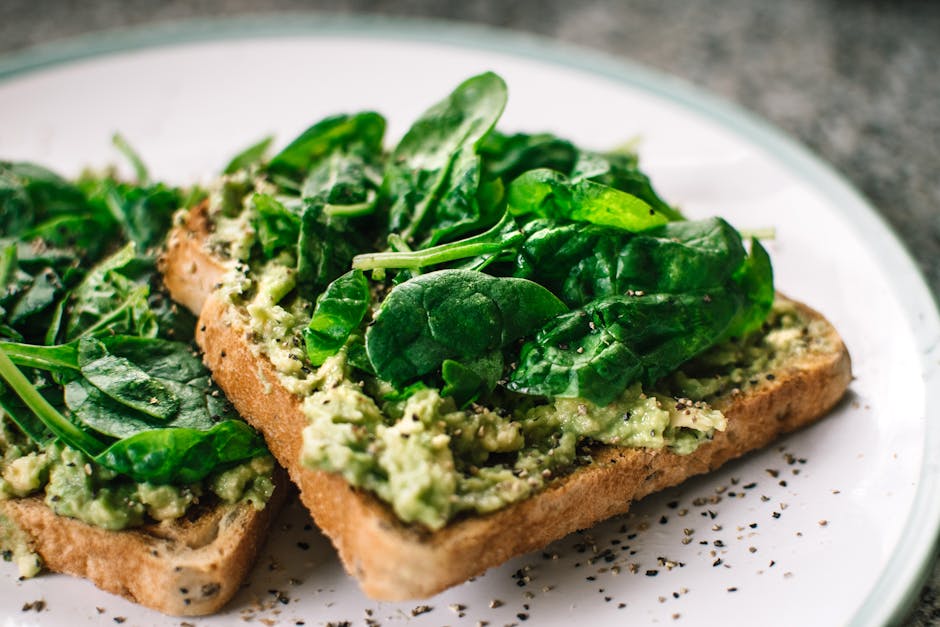
You might think that $15 avocado toast is just an overpriced brunch staple. But what if it's actually a powerful economic signal, telling you everything from local inflation rates to the future of a neighborhood? Forget the Big Mac Index; we're exploring why this simple dish has become the most revealing financial barometer on the menu. This analysis moves beyond the recipe to decode the economic data baked into every slice. We will dissect the three core components of its price—the agricultural volatility of the avocado itself, the premium on artisanal goods, and the crushing overhead of urban real estate and labor. By understanding these inputs, we can use the final price tag as a surprisingly accurate, real-time indicator of a city's economic health, its gentrification trajectory, and the sophistication of its local supply chain.
What do a basketball legend, a country music outlaw, and a golden-age Hollywood actress have in common? More than just a birthplace. We're bypassing the simple 'who's from here' list to explore the 'why'—investigating the unique cultural blueprint of North Carolina that seems to forge a tougher, more authentic, and resilient kind of icon. This isn't about geography as trivia; it's about geography as destiny. We're arguing that the very soil of the state—from the stubborn red clay of the Piedmont to the misty resolve of the Blue Ridge Mountains—cultivates a specific kind of soul. The stars born here don't just happen to be from North Carolina; they are of it, shaped by a cultural terroir that values quiet tenacity over loud proclamations and resilience over recognition.
You know the feeling: the glorious relief of walking into an air-conditioned building, quickly followed by the creeping chill that has you regretting your sundress. Before you reach for a bulky office cardigan, consider the elegant, whisper-light solution from Khaadi that solves the summer's most common style problem. We've been conditioned to see summer shawls as decorative afterthoughts, perhaps for an evening event. I'm here to argue that this is a fundamental misunderstanding of their power. The Khaadi summer shawl isn't just an accessory; it's an essential piece of personal equipment, a beautifully engineered tool for mastering the thermal whiplash of modern life. It's time to reframe it as your personal climate control system.
Look down at the ring on your finger or the pendant around your neck. If it came from a factory, its story is a price tag. But handmade jewelry speaks a different language—a secret narrative of intention, flaws, and history that you don't just wear, but continue. These pieces are not sterile objects of adornment; they are artifacts, imbued with the energy of their creator and the history of their materials. They challenge the very idea of perfection, suggesting instead that the most compelling stories are found not in flawless symmetry, but in the unique character of a human touch. This article explores how to read, inherit, and add to that story, transforming your jewelry from a simple accessory into a wearable biography.
Your online shopping cart is full of shimmering, of-the-moment accessories, and your finger is hovering over the 'buy' button. Stop. This guide will teach you the one skill that separates savvy collectors from trend victims: how to instantly tell if a trendy accessory is a six-month fling or a future classic you'll wear for years. As a former trend forecaster, I've seen countless micro-trends burn brightly and fade into obscurity, leaving behind a trail of unworn plastic and buyer's remorse. The secret isn't to stop buying trendy accessories online; it's to develop a curator's eye. It's about learning to see past the algorithm-pushed hype and identifying the DNA of an heirloom. This is your masterclass in building an accessory collection that tells a story, holds its value, and transcends the relentless cycle of what's 'in'.
You open your favorite delivery app, scrolling past the same three sponsored chain restaurants for the hundredth time, and a thought creeps in: 'Is this really all there is?' The truth is, the app's algorithm is a gatekeeper, not a guide, and it's actively hiding the most authentic, delicious local spots from you. It's time to find the food they don't want you to see. I've spent years reverse-engineering these digital menus, treating them less like a convenience and more like a code to be cracked. This isn't just about finding dinner; it's about reclaiming your neighborhood's culinary identity from a system designed to sell you the most profitable option, not the most delicious one. This guide is your digital lockpick set.